HomeBritish Rabbits
It would be hard to imagine Britain without wild rabbits. While it’s quite widely known that rabbits are not native to the UK, I hadn’t been familiar with their history on our islands.
Wild rabbits didn’t feature in the survey that was the Domesday Book of 1086 which has been taken by many to indicate that they were not here, at least not in any material number. However by the 13th Century rabbits were reportedly a particular treat as part of Henry III’s feasts.
Rabbits were subsequently managed like other farm animals, kept in warrens, protected and traded. An adult rabbit was known as a ‘Coney’ and so places and people with ‘Coney’ in their names are thought to have been associated with warrens or even the fur trade.
The Normans had been credited with first introducing rabbits to Britain but it seems that in fact the Romans had started to bring rabbits to our shores long before. A small piece of rabbit bone was found at the Roman Palace in Fishbourne, West Sussex and the condition of it indicated to experts that the rabbit hadn’t been eaten but kept perhaps as a pet.
Wild rabbit populations in Britain have fluctuated widely as a result of human behaviour and other factors. In the late 1700s for example, their population expanded greatly when foxes and stoats were hunted in greater numbers. In the 1950s the wild rabbit population plummeted by an estimated 99 million after a massive outbreak of myxomatosis.
While now they are often considered to be pests due to damage they can cause to plants and land, rabbits are clearly needed in the food chain in the wild (and supported many people’s diets in the 1800s). With generations of us lucky enough to grow up with the enchanting tales of Peter Rabbit and while they remain a very popular pet, our affection for the rabbit isn’t going to dwindle any time soon. Who can resist their twitchy little noses!
-
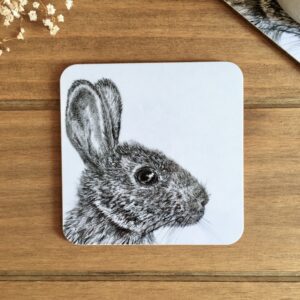
 Wild Rabbit Melamine Coaster£4.00
 -
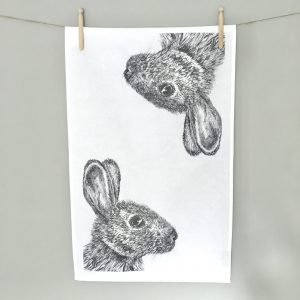
Rabbit Organic Cotton Tea TowelProduct on sale£5.99
-
Wild Rabbit Greetings Card£2.00